Britpop never really vanished. It just went quiet. Now, as Britain reshapes itself in a post-Brexit, post-lockdown, politically uncertain landscape, the genre that once defined a cultural moment is stirring again, not as a museum piece, but as something vital, self-aware, and ready to speak in a new voice.
This isn’t about rehashing old sounds or idolising the past. It’s about reclaiming what Britpop stood for; storytelling, local colour, emotional clarity, and reimagining it for now.
More Than a Throwback
In the 1990s, Britpop offered a kind of everyday swagger. It gave working-class kids a way to speak, or shout, back at the world. Oasis wrote about pubs and parks with biblical conviction. Pulp chronicled boredom and class anxiety with wit and empathy. Blur turned suburbia into sharp-eyed satire. But as the decade wore on, the movement calcified. What began as a rebellion turned into an aesthetic.
Today’s resurgence avoids those mistakes. Instead of mimicry, there’s re-invention. Artists are pulling from Britpop’s emotional and lyrical DNA, but updating the sound and shaking off the more cartoonish excesses. Less laddish, more reflective. Still melodic, but with sharper edges.
New Voices, Old Spirit
Look at bands like The Murder Capital, English Teacher, or Courting. Their guitars don’t jangle in the same way, but their songs bristle with regional pride, disaffection, and literary bite. Sam Fender, with his Springsteen scale and Geordie grit, may not wear the Britpop badge, but his music speaks to the same instincts: working-class narratives, big choruses, and the sound of someone really saying something.
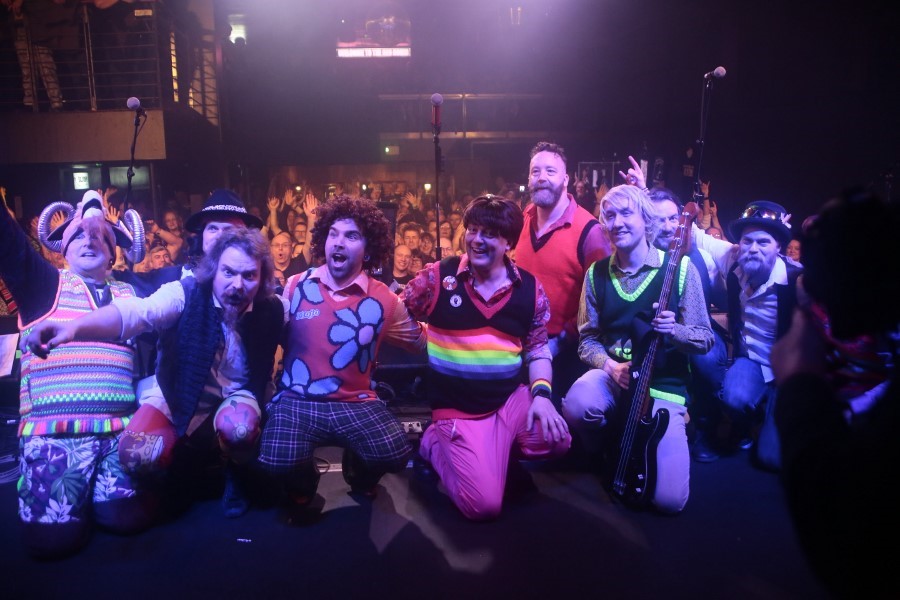
Even more traditional bands like The Lathums or The Lottery Winners draw a clear line back to the mid-90s — not because they want to live there, but because they recognise a missing link in British guitar music: joy, melody, and defiance without apology.
Why Now?
Britain is once again a country looking for itself. Politics are fractured. Cities are gentrified and strained. Young people face impossible costs and diminishing returns. In that kind of climate, music that is emotionally direct, culturally rooted, and defiantly local becomes powerful again.
Britpop, at its best, offered exactly that, an antidote to imported angst, a sound that felt native and unpolished, hopeful and disillusioned at once. Right now, that balance feels relevant again.
The Write Time
It’s also about words. One thing Britpop did well and what is being quietly reclaimed is the value of strong, character-driven songwriting. Lyrics that observe, mock, confess. That focus on real places, odd people, half-baked dreams. This is not algorithmic songwriting. This is bus stop poetry, beer mat philosophy, and late-night reflection dressed up in guitar hooks.
So yes — it is the right time for Britpop to rise again. Not because the past was perfect, but because the present needs something real. Something loud. Something that sounds like home, even if it doesn’t promise answers.
Britpop, rewritten. Rewired. Just right for now.