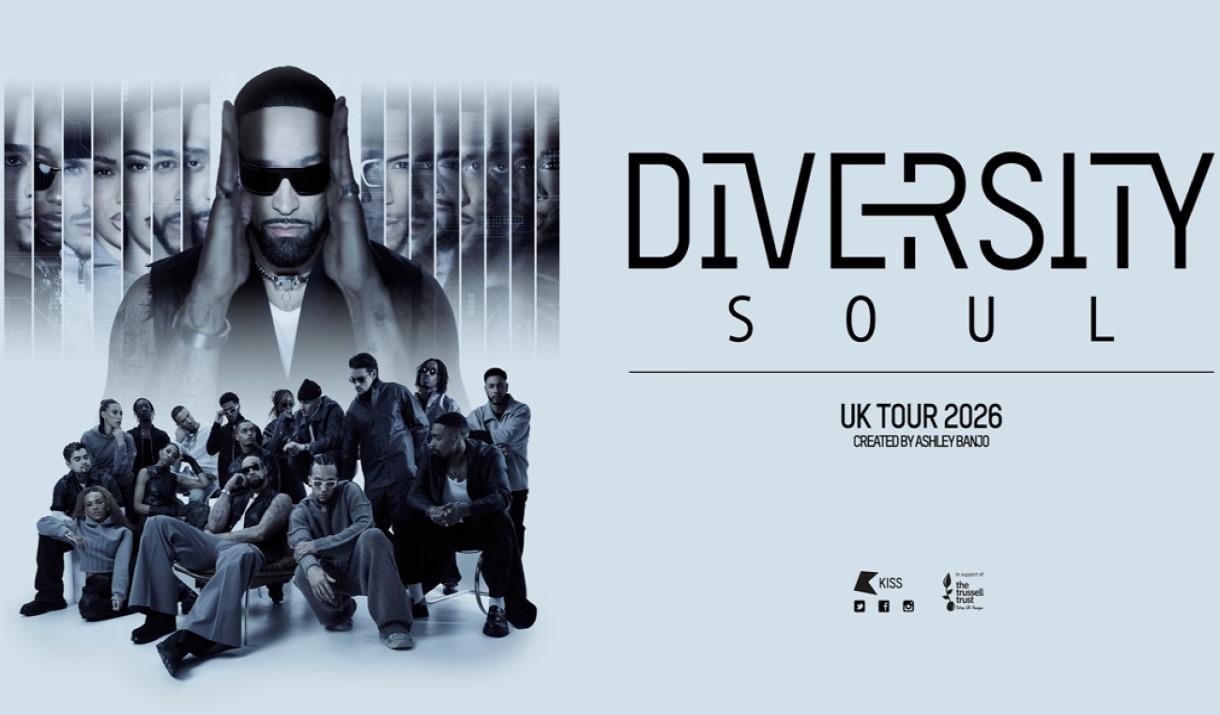
 The weekend’s stop of the SOUL tour at Royal Concert Hall Nottingham was far more than a dance show. It was a carefully constructed, emotionally driven piece of storytelling that blended spectacle with something far more reflective.
From the opening moments, there was a clear sense that this was not simply about showcasing technical ability. While the choreography was as sharp and precise as expected, the focus was on narrative. The concept behind SOUL centres on the rise of artificial intelligence and what it means to remain human in an increasingly digital world, and that idea ran throughout the performance.
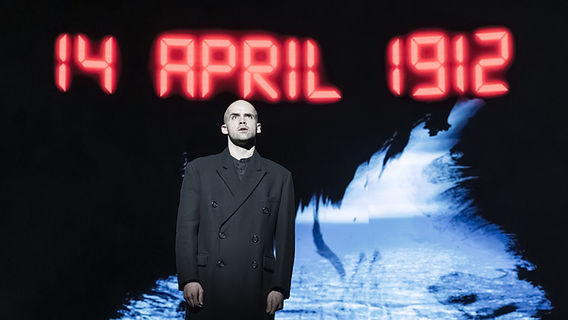
Ashley Banjo once again acted as both choreographer and storyteller, guiding the audience through a series of interconnected moments that explored connection, disconnection, and identity. A recurring filmed narrative threaded through the show, adding context without overwhelming the live performance. It gave the production a structure that felt closer to theatre than a traditional dance showcase.
The choreography itself was exceptional. Large ensemble pieces were delivered with the precision that has become synonymous with Diversity, blending street dance, contemporary movement, and acrobatics into something fluid and constantly evolving. What stood out most was the balance. Even in the most complex sequences, there was a clear emotional core. It never felt mechanical, always human.
There were moments of humour woven throughout, often drawing on modern life and our reliance on technology. These lighter sections landed well with the Nottingham audience, providing contrast that made the more emotional moments hit harder. By the final act, the tone shifted noticeably, building toward something far more reflective. The atmosphere in the venue followed that journey, moving from excitement to a quieter, more thoughtful engagement.
What made this performance particularly effective was the audience response. There was a strong sense of connection in the room, with audible reactions to the larger set pieces and a noticeable stillness during the more intimate moments. It created a shared experience that elevated the performance beyond simple entertainment.
Technically, the production was slick without feeling overwhelming. Lighting and music were used with purpose, helping to shift tone and guide the narrative. Transitions were seamless, maintaining a strong pace throughout.
By the end, the message of SOUL felt clear without being heavy-handed. In a world increasingly shaped by technology, the show returned to a simple idea: connection still matters. That message, delivered through movement rather than words, gave the final moments a quiet weight that lingered.
Overall, Diversity’s Nottingham performance was confident, polished, and emotionally intelligent. It delivered the expected level of skill and spectacle, but it was the storytelling that set it apart. A show that entertains, certainly, but more importantly, one that leaves you thinking.