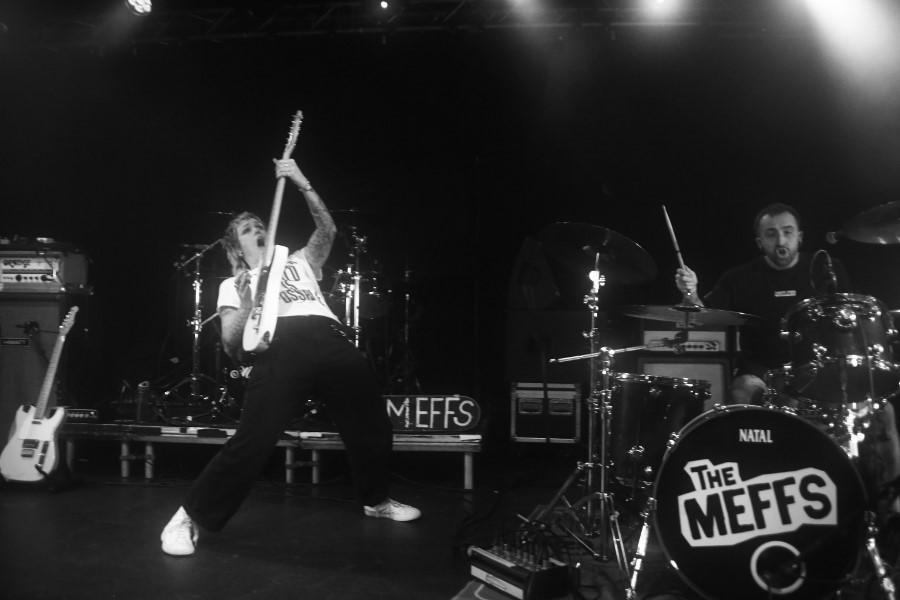
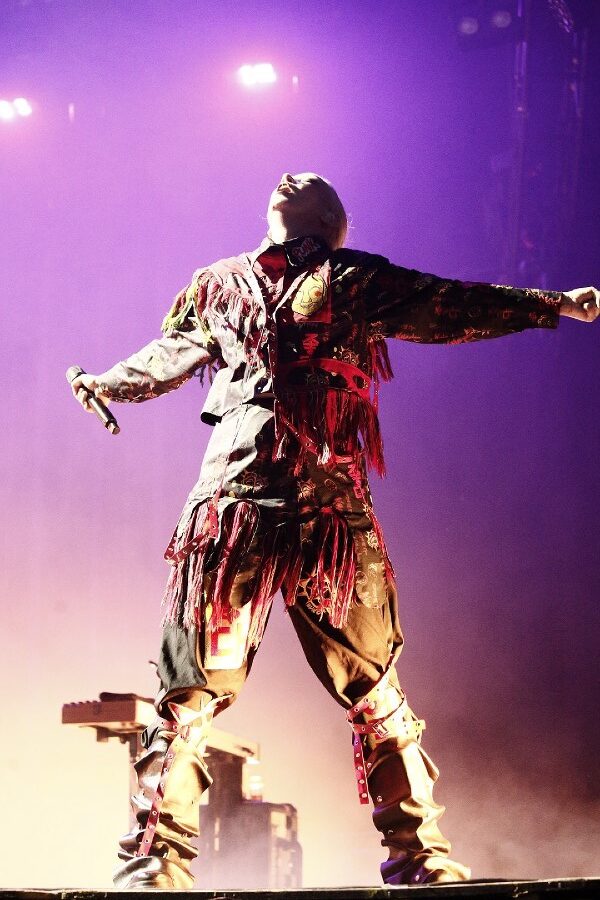
People often say that protest singers are a thing of the past, relics of the 1960s and 70s when folk singers like Bob Dylan and Joan Baez led the charge for change. But that couldn’t be further from the truth. Today, protest music is alive and well, with artists continuing to call out injustice, rally people together, and give a voice to those who need it most. The only difference? They’re not always in the mainstream spotlight.
Protest Music Didn’t Die—It Just Evolved
While big record labels might not be pushing protest anthems like they once did, there’s still a thriving scene of musicians making politically charged music. Artists like Joe Solo, Jess Silk, Grace Petrie, Millie Manders and the Shutup, Billy Bragg, and Ferocious Dog are keeping the tradition alive, singing about inequality, corruption, and social struggles with just as much passion as their predecessors.
Billy Bragg, for instance, has been a consistent voice for working-class activism for decades. In his song “Between the Wars,” he sings:
“I’ll give my consent to any government that does not deny a man a living wage.”
Grace Petrie’s folk-punk energy brings a fresh and urgent perspective to issues like feminism, LGBTQ+ rights, and economic inequality. In “Farewell to Welfare,” she declares:
“So give me change, give me equality
Give me a minister for women that don’t represent me”
Joe Solo uses his music to support food banks and trade unions, proving that protest music isn’t just about words—it’s about action, too. In “No Pasaran,” he chants:
“The fascists have come for our freedom and we ain’t gonna give it away”.
Why Aren’t These Artists More Well-Known?
One reason people think protest singers have disappeared is that mainstream media doesn’t give them the same platform it once did. In the past, protest anthems were played on the radio and performed on television. Today, you have to dig a little deeper—look to independent venues, social media, and grassroots movements to find the real voices of resistance.
Streaming platforms have also changed how we consume music. With so much content available, protest songs don’t always rise to the top of the charts. But that doesn’t mean they’re not out there. In fact, the internet has allowed for an explosion of politically charged music, giving artists more ways to connect directly with their audiences.
Protest Music in Action Today
Movements like Black Lives Matter, climate activism, and workers’ rights campaigns still have their own soundtracks. Songs of resistance are being sung at protests, played at rallies, and shared online, even if they aren’t topping the Billboard charts.
Take Ferocious Dog, for example, whose folk-punk energy is electrifying audiences and putting a spotlight on issues like poverty and mental health. In “The Protest Singer,” they reflect:
“The power of the truth is a force they cannot slander. And I will serenade the oppressed, the voiceless and the weak, for in the light of justice, I’ll stand and fiercely speak”.
Jess Silk’s storytelling and raw authenticity make her songs eloquently explore the state of world politics. In “Sea to Shining Sea” she recounts,
“And as the movie’s playing out across their TV screens
The rest of the world’s looking on in disbelief
As that old familiar serpent bares its teeth
People fought so in this house that flag would never fly
Now you’re fighting a campaign you’ve built on hate and lies
And they’re crying out your name as the country weeps”
Millie Manders and the Shutup are proving that protest music can be loud, punk-infused, and unapologetically fierce. In “Can I get Off,” Millie sings:
“How long will this song
Continue to be
A reflection of what’s wrong
With everything we
Constructed to gain
All the world has to offer
By killing the children
So that we whites could prosper
Oh yes I’ll stand here
And I’ll call us all out
Because if we don’t, who will?
We’re against everyone else
We watch as the people
Who don’t look like us
Drown in their thousands
Escaping bombs we helped drop”
The Spirit of Protest Lives On
So, where are all the protest singers? They’re everywhere—you just have to look beyond the mainstream. They’re playing in grassroots venues, streaming on independent platforms, and performing at protests and picket lines. They’re not just making noise; they’re inspiring real change, just like the generations before them.
As long as there’s injustice in the world, there will be songs to challenge it. And as long as people are willing to listen, the protest singer will never be a thing of the past.