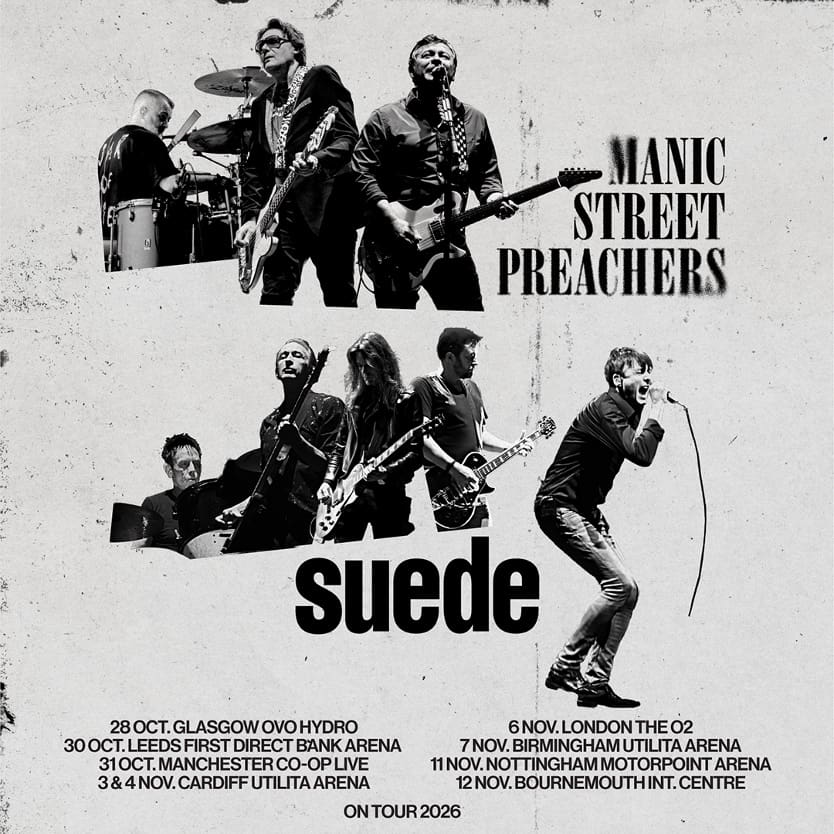
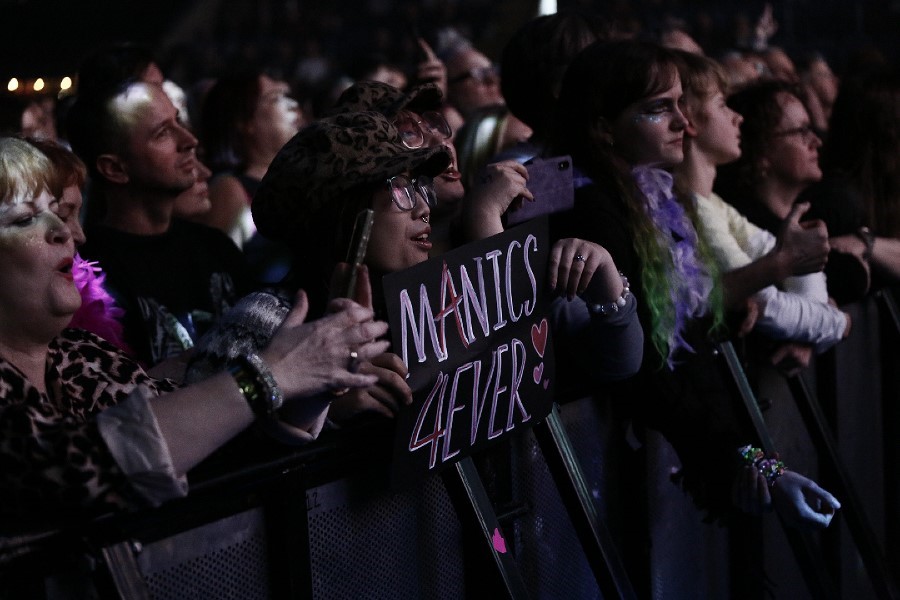
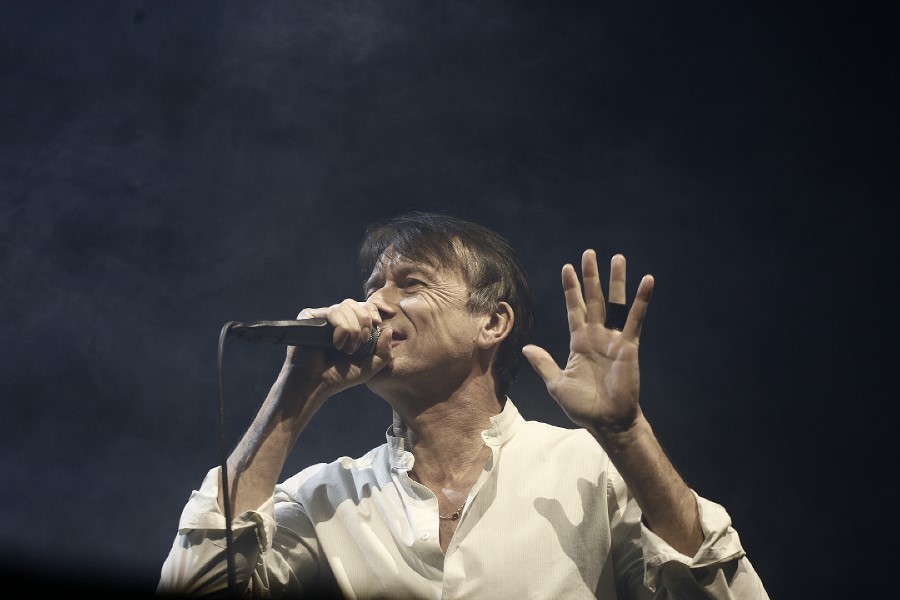
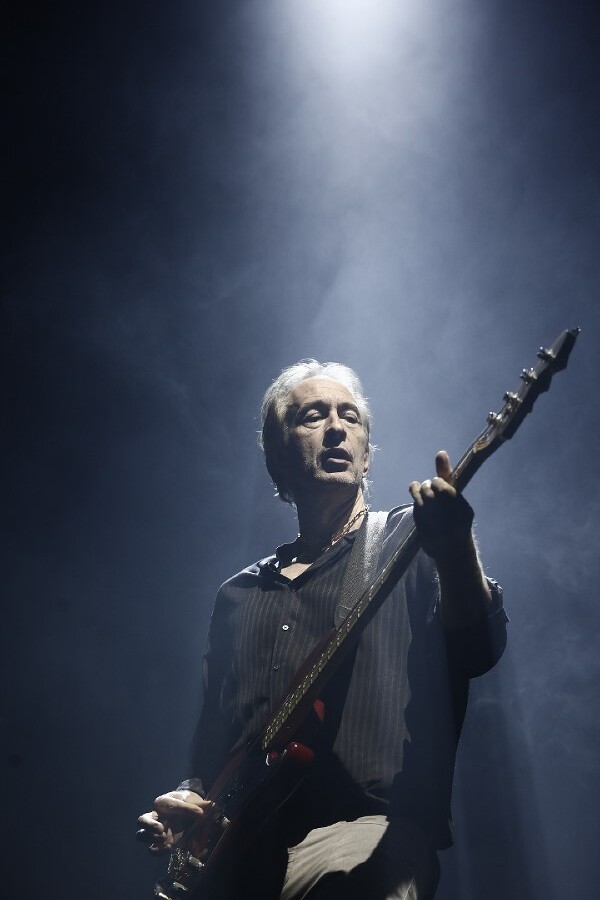
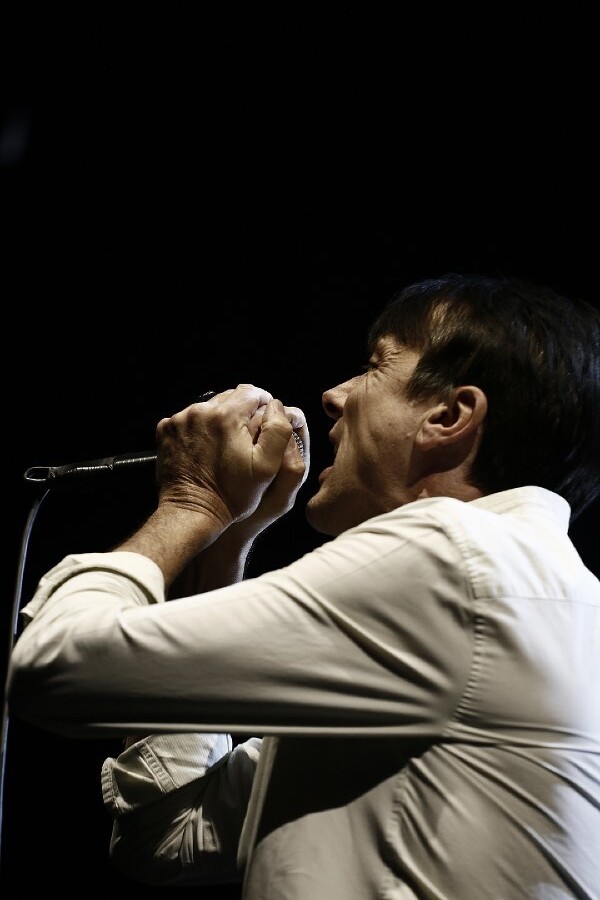
At Nottingham’s Motorpoint Arena, those contrasting identities made for a fascinating double bill, an evening rich in nostalgia but with considerably more to offer than a comfortable journey through the 1990s.
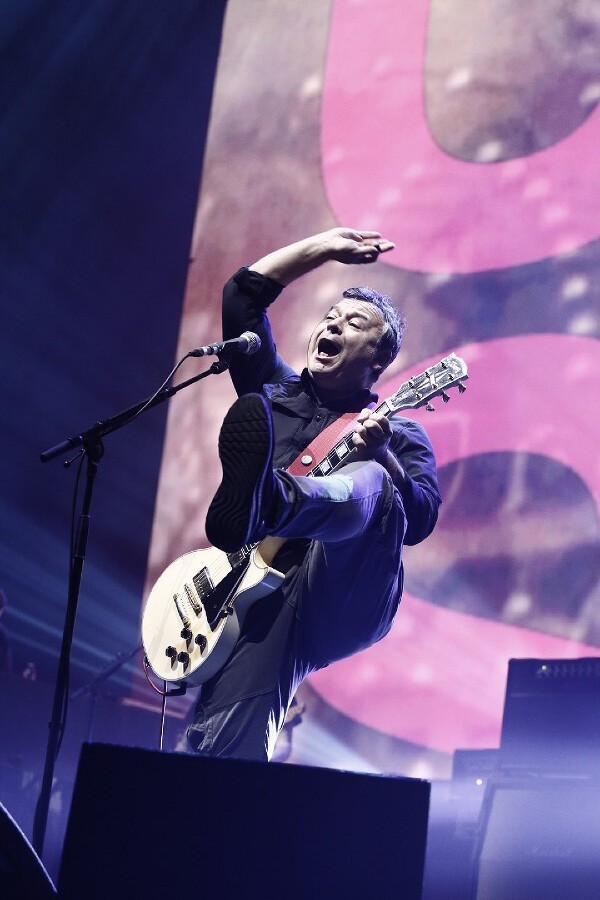
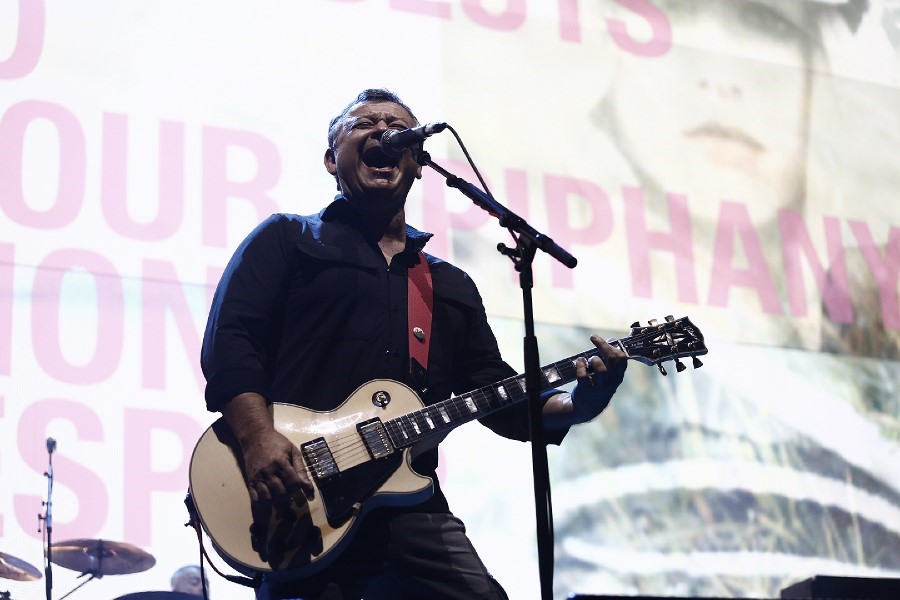
Manic Street Preachers opened with Motorcycle Emptiness, a song that remains one of the most remarkable statements of intent in British alternative rock. More than three decades after its release, its combination of furious guitar work, lyrical intelligence and soaring melody has lost none of its potency. It was a formidable way to begin, and one that immediately established the musical and emotional scale of the evening.
Everything Must Go and Little Baby Nothing followed, the latter a reminder of the band’s early willingness to confront exploitation and uncomfortable social realities without sacrificing their musical ambition. The Manics have always occupied an unusual position within British rock, capable of filling arenas with enormous choruses while frequently questioning the political, cultural and economic systems that make such commercial success possible. That contradiction has never diminished their appeal. Indeed, it is central to their identity.
There was plenty to celebrate across a set that moved confidently through their considerable catalogue. Kevin Carter and You Stole the Sun From My Heart demonstrated the extraordinary range of their songwriting, moving between unsettling subject matter and almost effortless melodic accessibility, while Decline & Fall and Hiding in Plain Sight, both from 2025’s Critical Thinking, sat comfortably alongside the established favourites.
It is encouraging to see a band with such an extensive back catalogue continuing to produce music that deserves its place in their live performances. The Manics have never seemed particularly interested in becoming a heritage act, and their more recent explorations of identity, disillusionment and the complicated business of growing older feel like natural extensions of the principles that shaped them.
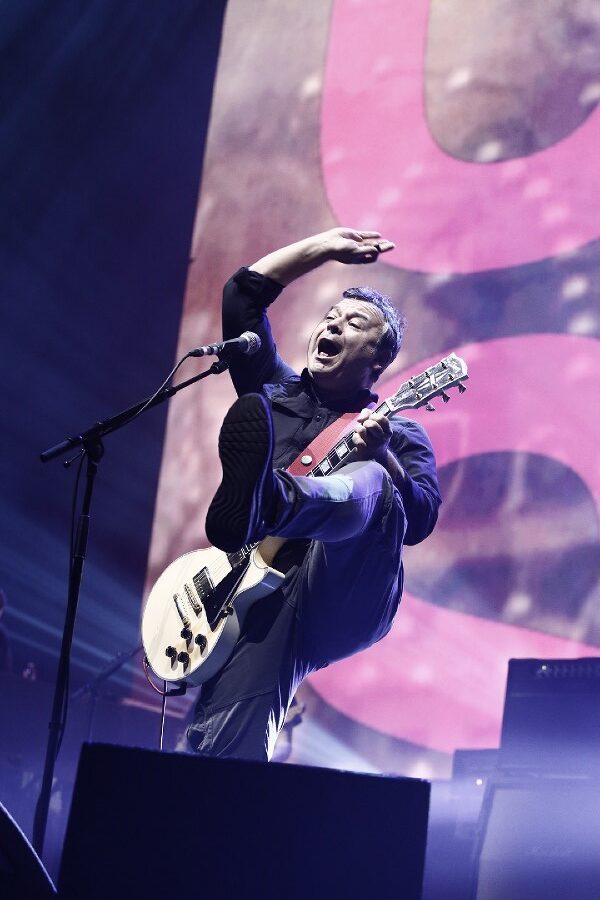
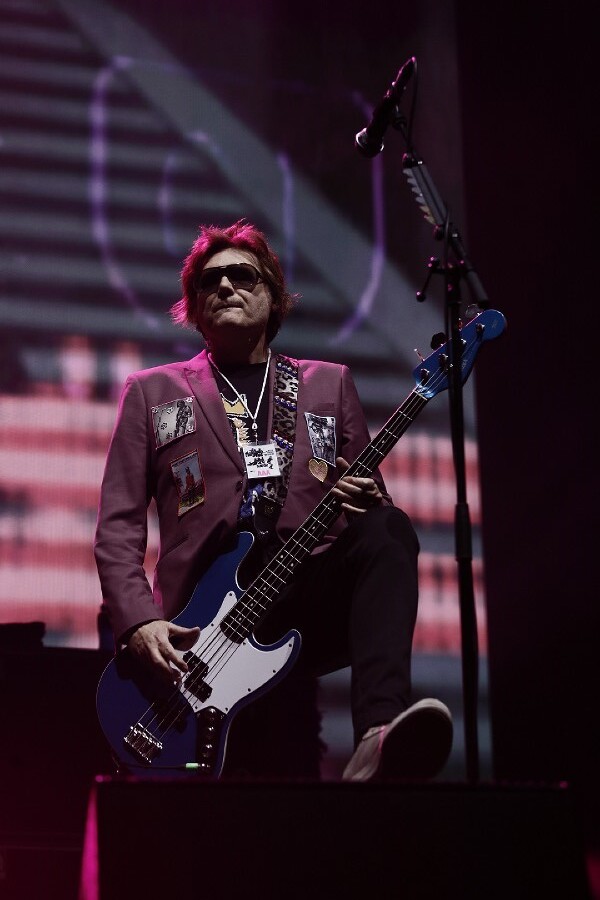
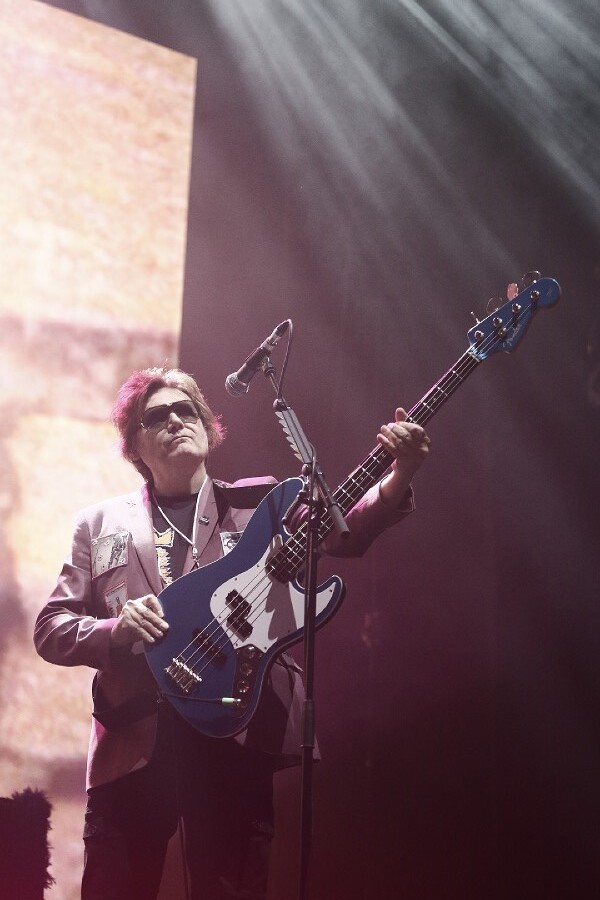
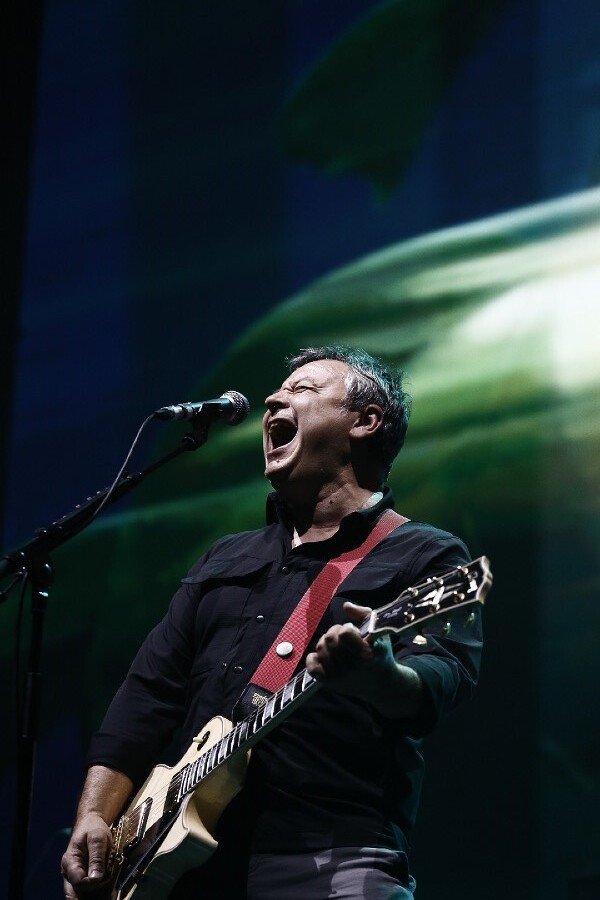
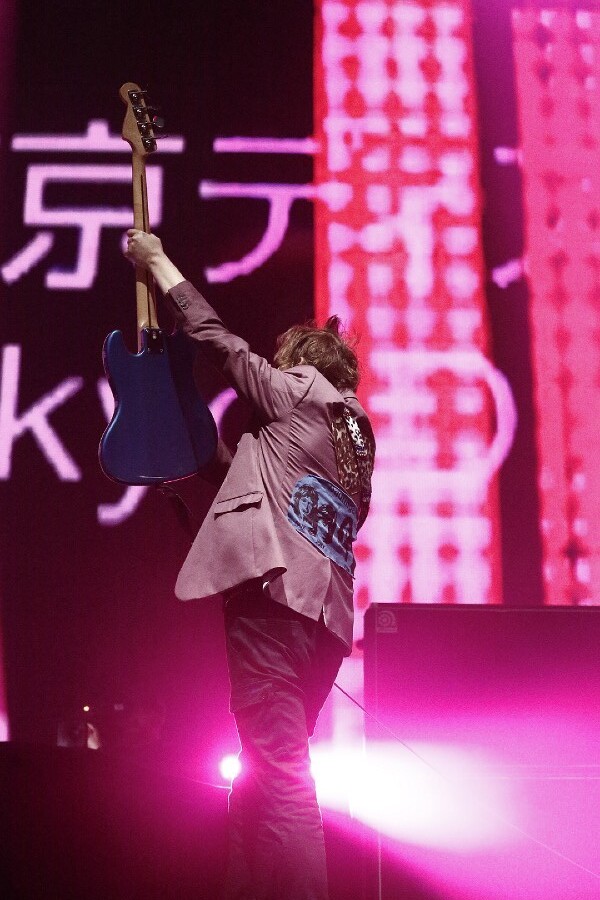
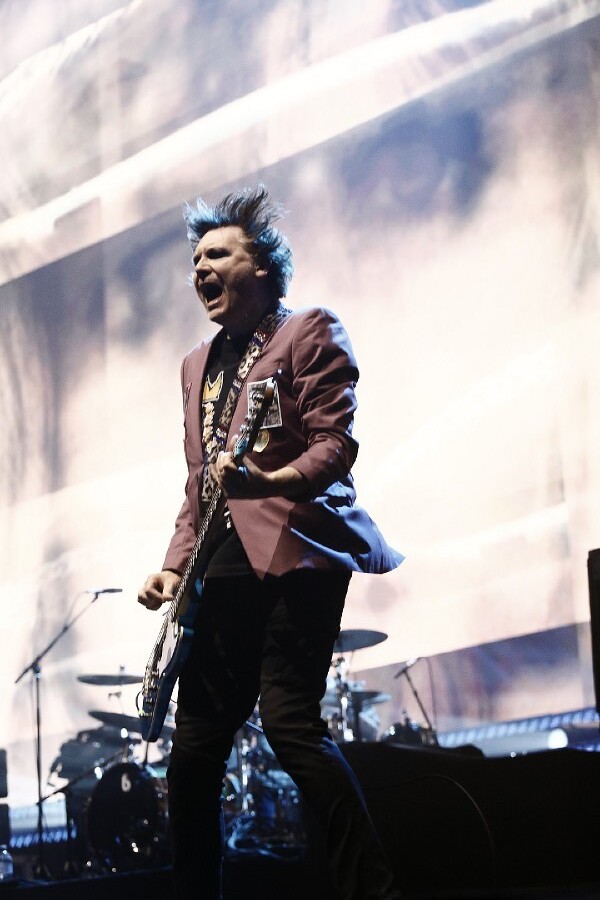
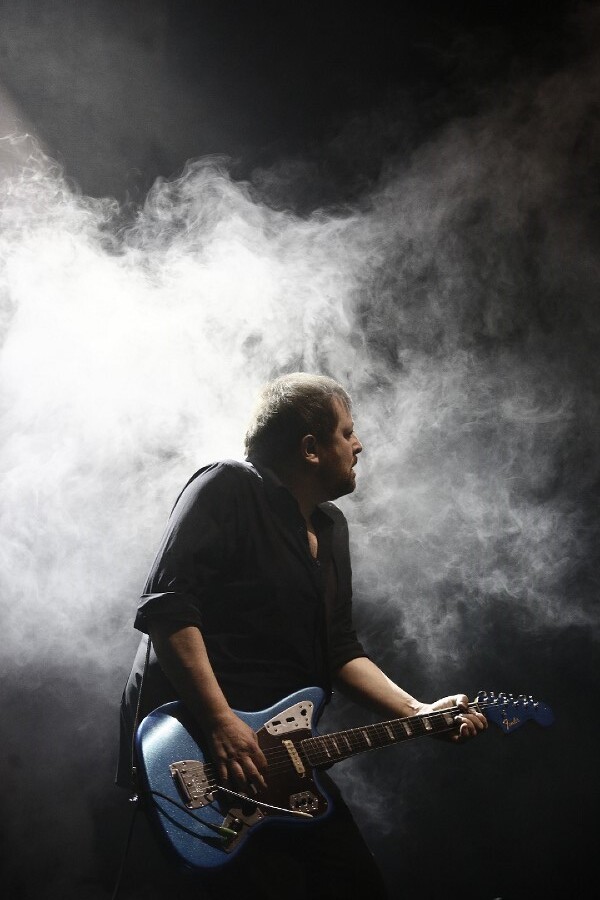
James Dean Bradfield remains an exceptional vocalist and guitarist, capable of moving from tightly controlled melodic passages to explosive moments of release. Nicky Wire, meanwhile, continues to embody the band’s distinctive mixture of intellectual seriousness and rock-and-roll provocation.
Your Love Alone Is Not Enough and No Surface All Feeling brought further melodic highlights before A Design for Life delivered one of those moments that explains why certain songs become so deeply embedded in the cultural consciousness.
Thirty years after its release, its examination of class, aspiration and the dignity of working-class experience has lost none of its relevance. What could easily have become a nostalgic singalong remains something far more substantial, a reminder that intelligent, politically conscious songwriting can also produce moments of overwhelming communal emotion.
An acoustic passage featuring an excerpt from Elvis Impersonator: Blackpool Pier and Ocean Spray allowed the subtleties of the band’s writing to emerge, before The Everlasting provided another moment of reflection.
The closing stretch was particularly impressive. Slash ‘n’ Burn, Autumnsong and Stay Beautiful demonstrated the breadth of the band’s musical character, while Die in the Summertime brought the uncompromising darkness of The Holy Bible into sharp focus. You Love Us delivered a final burst of early Manics defiance before If You Tolerate This Your Children Will Be Next brought their performance to its conclusion.
Inspired by the Spanish Civil War and concerned with the consequences of political indifference, it remains a remarkable song with which to close a set. Its message feels no less urgent in the present climate, and there are few bands capable of delivering such an explicitly political statement in an arena without it feeling remotely out of place.
It would have been a difficult performance for almost anyone to follow, but Suede have never been a band particularly troubled by the prospect of making an impression.
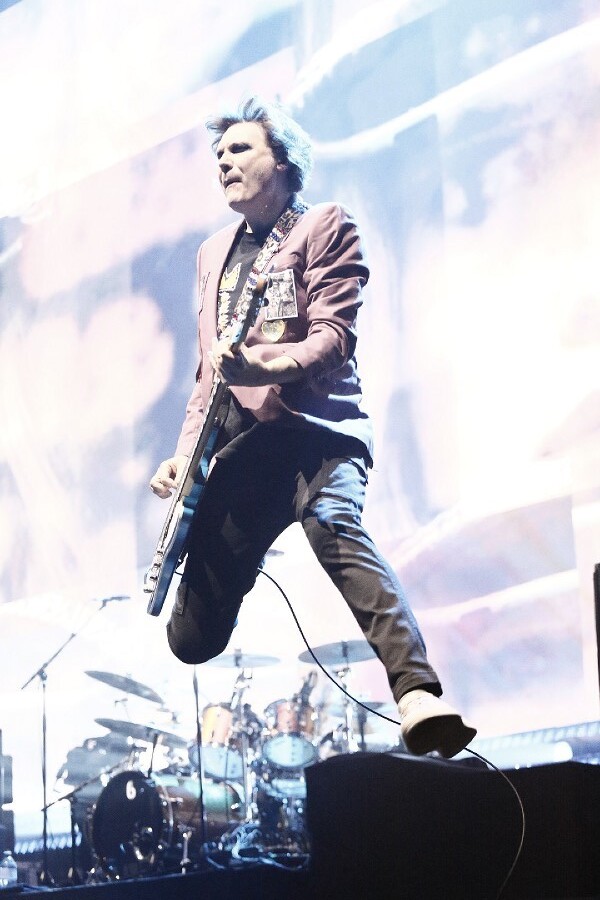
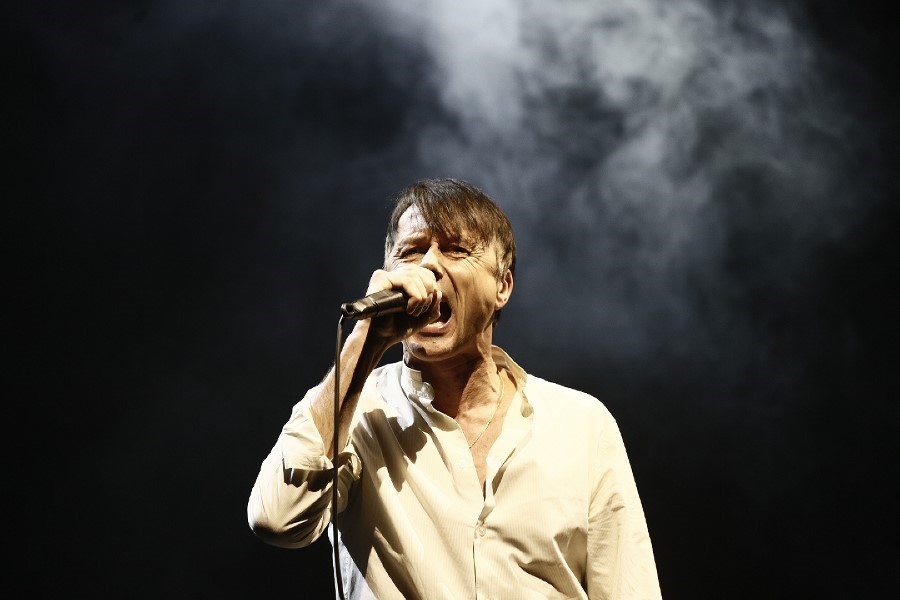
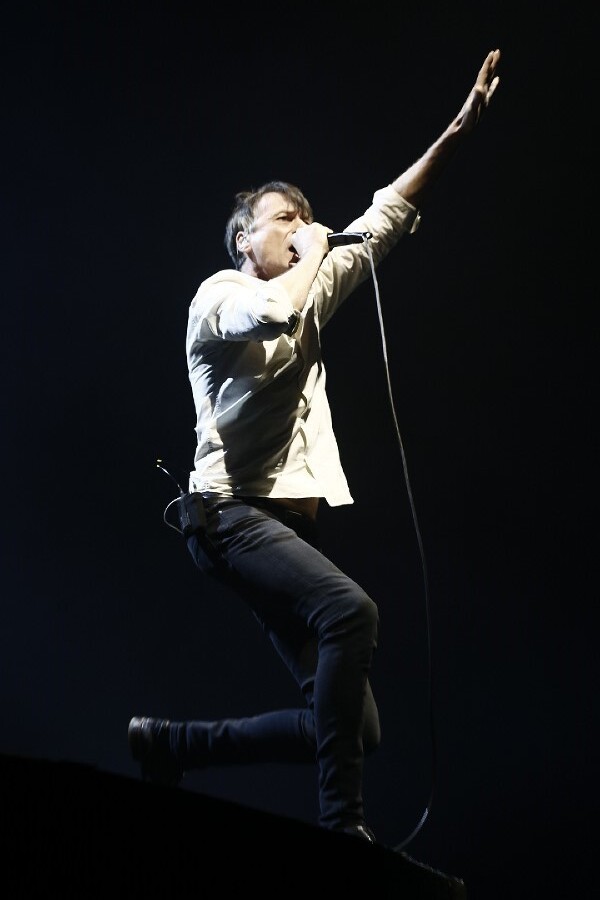
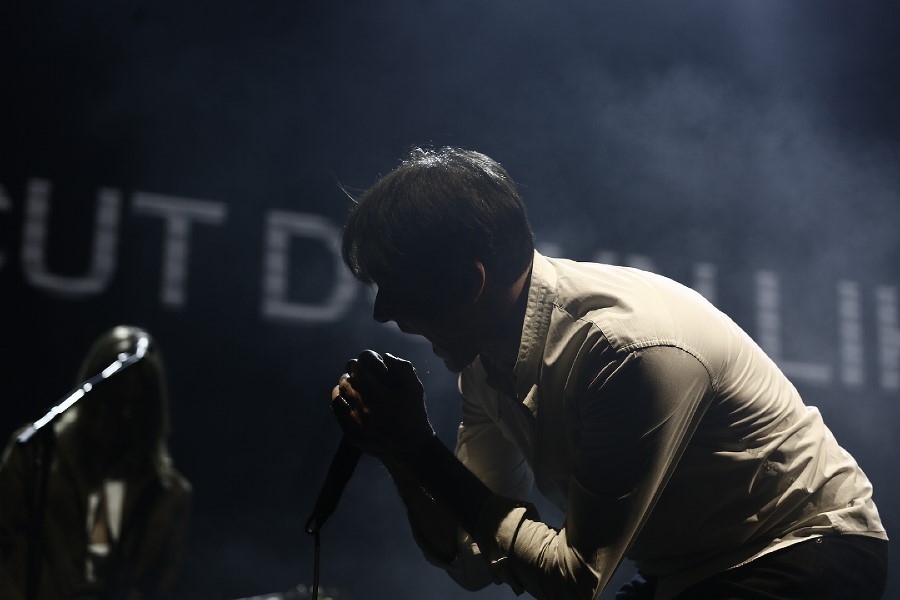
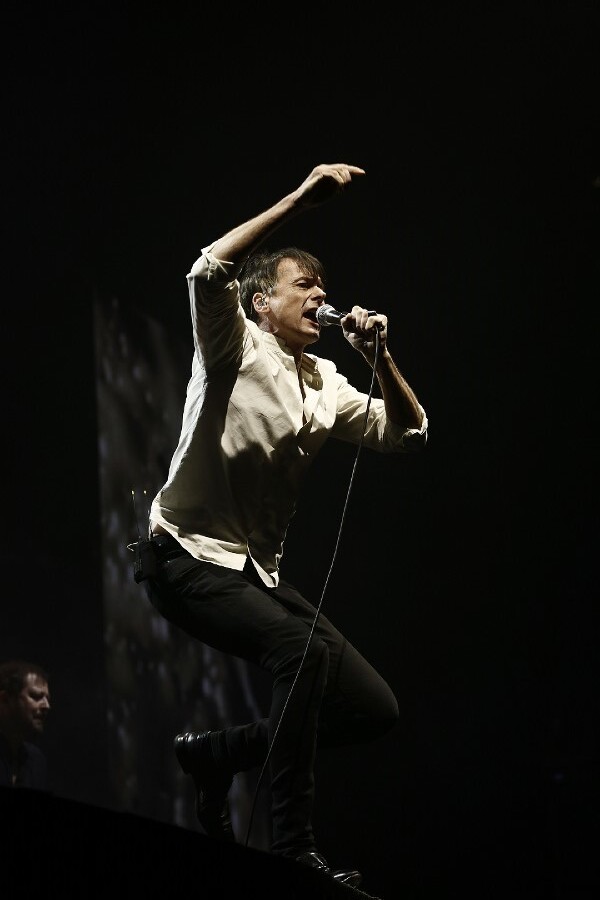
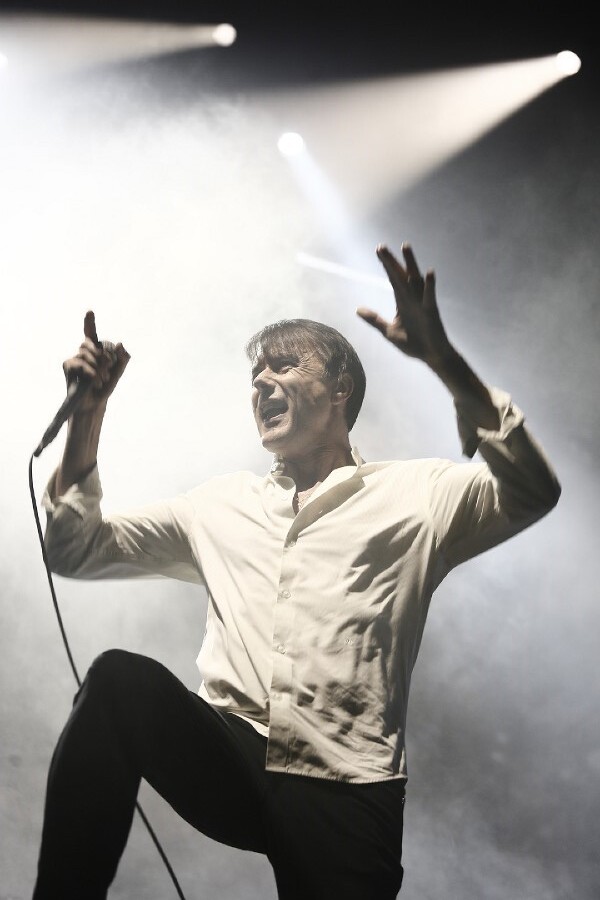
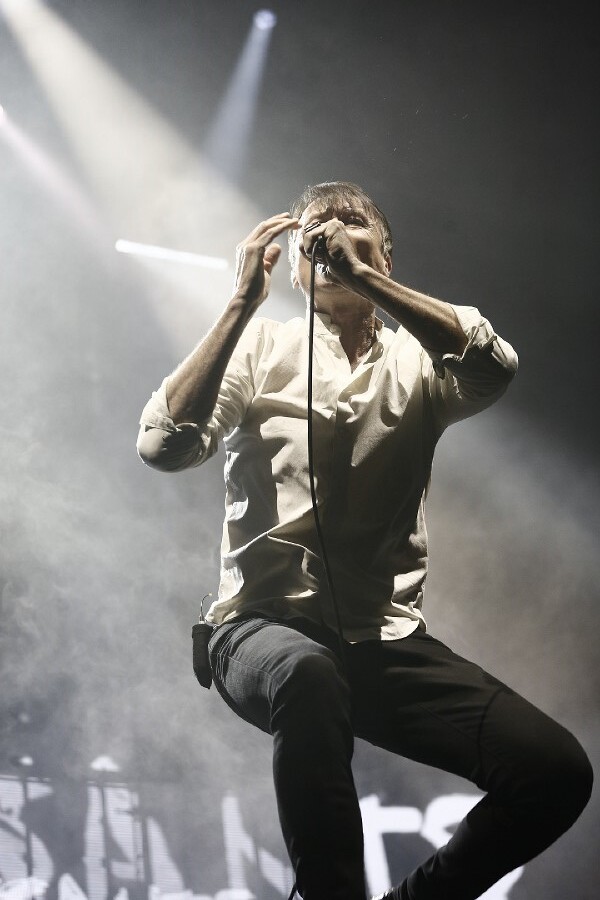
Brett Anderson remains one of British music’s most magnetic frontmen, possessing a theatricality that somehow manages to feel both extravagant and entirely sincere. There is an almost confrontational quality to his performance style, a combination of physical abandon, vulnerability and absolute commitment that gives even familiar material a sense of urgency. Where James Dean Bradfield commands through musicianship and conviction, Anderson operates through movement, emotion and an almost instinctive understanding of the relationship between performer and audience.
Opening with Disintegrate and Antidepressants, Suede immediately established that their current work deserves its place alongside the songs that first made them famous. The darker, more anxious textures of their recent material sit remarkably comfortably within a catalogue that has always found beauty in emotional instability.
When Trash and Animal Nitrate arrived, the enduring brilliance of early Suede was unmistakable. These are songs that retain their provocative energy decades after their release, their melodies concealing lyrics preoccupied with identity, desire and the experience of existing somewhere outside society’s comfortable boundaries.
We Are the Pigs brought a more sinister intensity, while To the Birds offered a welcome reminder of the band’s less obvious treasures. Saturday Night provided a moment of exquisite tenderness, demonstrating Anderson’s ability to communicate intimacy even within the expansive surroundings of an arena.
There has always been something fascinating about Suede’s ability to make the intensely personal feel universal. Their songs frequently concern characters who are damaged, dissatisfied or searching for something beyond their immediate circumstances, yet there is an extraordinary generosity in the way those characters are presented. Anderson rarely offers easy answers or comforting resolutions. Instead, he finds dignity and beauty in uncertainty.
The set moved confidently between different periods of the band’s career. Filmstar, Can’t Get Enough and Everything Will Flow showcased their gift for irresistible alternative pop, while June Rain, She Still Leads Me On and Shadow Self demonstrated the continued strength of their songwriting.
For a band so closely associated with a particular period in British music, Suede have proved remarkably resistant to nostalgia. Their more recent work reveals an artistic identity that has grown darker, more reflective and arguably more interesting with age. Rather than attempting to recreate the exuberance of their youth, they have allowed their music to acknowledge the passage of time, bringing new emotional weight to songs that were already rich in ambiguity.
A piano-led Stay Together offered a particularly elegant change of atmosphere before New Generation and Metal Mickey returned the performance to its more exuberant territory.
And then came Beautiful Ones.
Few songs capture Suede’s particular combination of celebration, melancholy and outsider solidarity quite so effectively. Its enormous chorus, irresistible momentum and affectionate embrace of those living beyond conventional expectations made it a fitting conclusion to the evening. There is something wonderfully appropriate about a band whose early reputation was built around alienation and disaffection ending an arena concert with a song that celebrates belonging, however unconventional that belonging might be.
It was also a reminder of what makes this pairing so compelling. The Manics have spent their career questioning the world around them, while Suede have explored the emotional consequences of living within it. Both have given a voice to people who feel misunderstood, marginalised or dissatisfied, and both have done so without compromising the qualities that made their music distinctive in the first place.
Neither band has ever fitted particularly comfortably within the neat boundaries of Britpop. The Manics were always too politically confrontational, their influences too varied and their ambitions too uncompromising. Suede embraced a darker, more ambiguous vision of British life than the laddish optimism that would come to dominate much of the decade. Perhaps that is why both have aged so convincingly. Their music was never entirely dependent upon the fashions of its time.
For those who grew up with these songs, Nottingham offered an opportunity to reconnect with music that has accompanied decades of personal and cultural change. Yet there was nothing about either performance to suggest that their greatest achievements belong exclusively to the past.
As Beautiful Ones brought the evening to its close, the enduring appeal of both bands seemed perfectly clear. Decades after they first emerged, Manic Street Preachers and Suede remain as passionate, distinctive and gloriously unwilling to conform as ever.