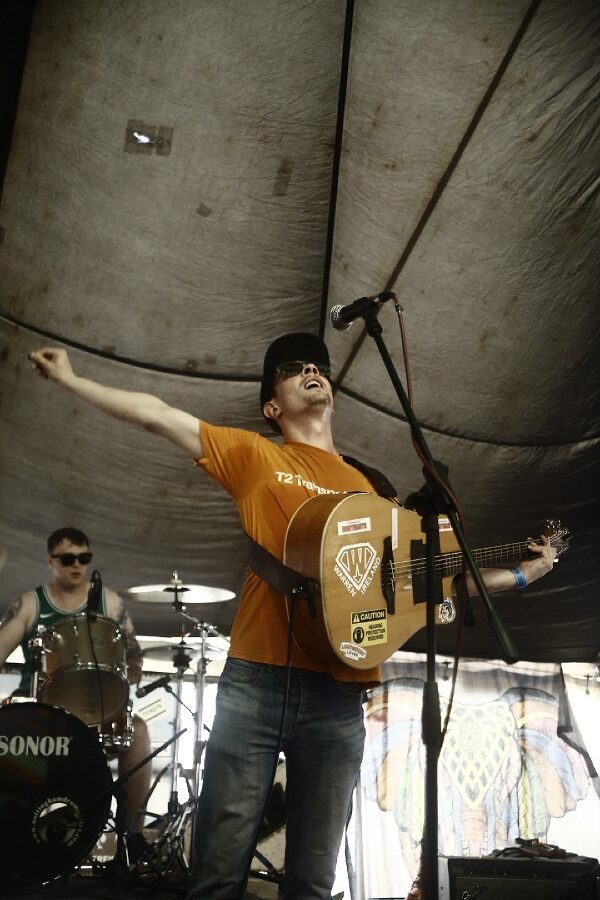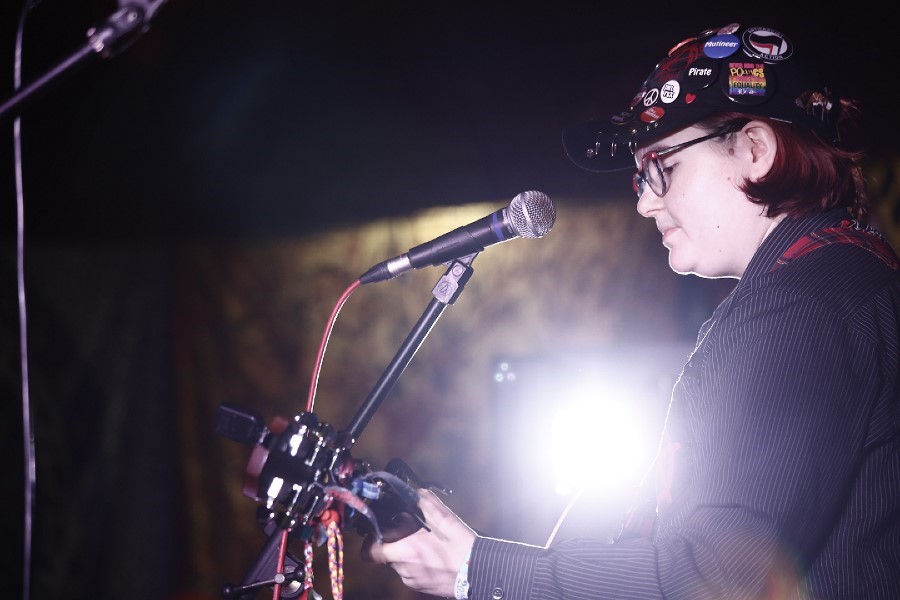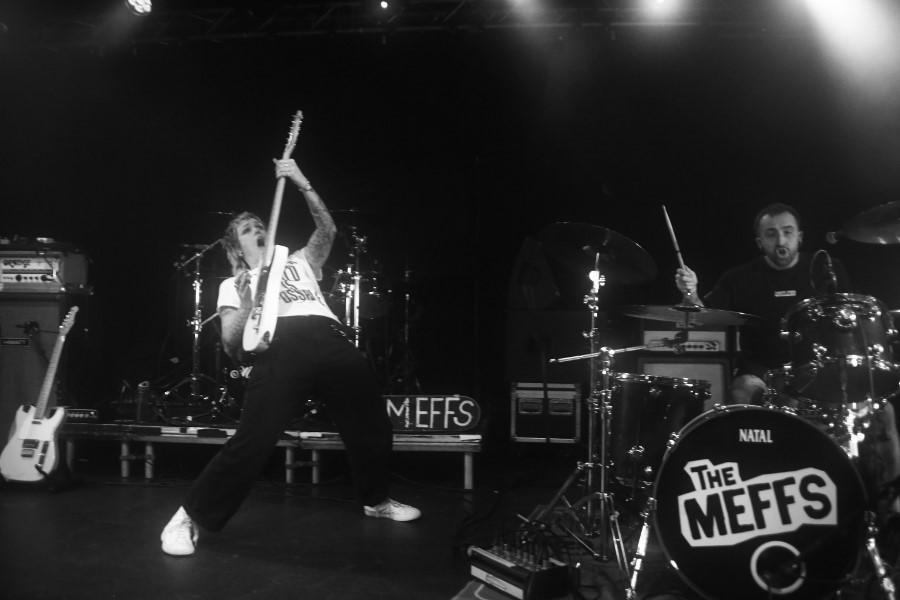
 A few days ago, punk duo The Meffs shared a line from a review of one of their performances.
“Very aggressive. Not very fckable.”*
Somebody wrote those words. Somebody edited them. Somebody approved them for publication.
That’s the problem.
This isn’t about whether a reviewer liked the band. Critics should be free to dislike bands. They should be free to tear apart weak songwriting, uninspired performances, poor musicianship or lazy stagecraft. Honest criticism is healthy. Music journalism would be pointless without it.
But criticism should at least have something to do with the music.
“Not very f*ckable” offers no insight into the songs, the performance or the audience reaction. It doesn’t tell readers anything useful about the band standing on stage.
What it does reveal is the perspective of the person holding the pen.
Try applying the same standard elsewhere.
Would anyone seriously review The Skids as “not very f*ckable”? Would that be considered a meaningful contribution to music criticism?
Of course not.
The sentence sounds ridiculous because it is ridiculous.
Male artists are rarely assessed through the lens of sexual attractiveness. Their value is assumed to lie in what they create. Women, meanwhile, are still too often judged against an entirely different set of expectations.
The review itself may be the symptom, but it isn’t the disease.
Look at the language that surrounds women in music every day.
How often do we see the phrase “female-fronted band”?
It’s one of those expressions that has become so common that most people no longer question it. Yet we almost never see the phrase “male-fronted band”. Men are simply musicians. Women are musicians with an additional label attached.
Many people use the term with good intentions. That doesn’t change what it implies. Before the music is discussed, gender has already been placed at the centre of the conversation.
That distinction matters.
The more we treat women in music as a separate category, the easier it becomes to discuss them differently. Not their songs. Not their performance. Not their ideas.
Them.
And that is how we end up with reviews that comment on whether a band is sexually attractive rather than whether the band is any good.
The irony is that this happened in punk.
A genre built on challenging expectations somehow still contains people who cannot look beyond them.
Women in punk have spent decades refusing to conform. Refusing to be quiet. Refusing to fit neatly into whatever role has been assigned to them.
That is precisely why they matter.
Yet some reviewers still seem more interested in appearance than expression.
There is another question worth asking.
How did this make it into print?
Reviews do not publish themselves. Editors exist for a reason. Publications decide what standards they are willing to uphold.
Somewhere between submission and publication, nobody stopped and asked a simple question:
What does this add?
The answer is nothing.
At a time when music journalism is fighting to prove its value, readers deserve better than cheap remarks dressed up as criticism.
Independent artists deserve better too.
Nobody expects critics to be kind.
They should, however, expect them to be capable of reviewing the music.
And if that seems like too much to ask, perhaps the problem isn’t with the bands being reviewed.