 With temperatures outside reaching the kind of levels that make even a short walk through Nottingham feel like an endurance test, there was something especially appealing about stepping through the doors of the Theatre Royal. The welcome blast of air conditioning was almost as eagerly anticipated as The Spy Who Came in from the Cold, and for the next two hours the audience was transported away from the heat and into the icy world of Cold War espionage.
Adapting one of John le Carré’s most celebrated novels for the stage is no easy task. The story thrives on ambiguity, subtle motivations and conversations where every word carries weight. David Eldridge’s adaptation wisely resists the temptation to over-explain, instead trusting the audience to piece together the shifting loyalties, hidden agendas and moral compromises for themselves.
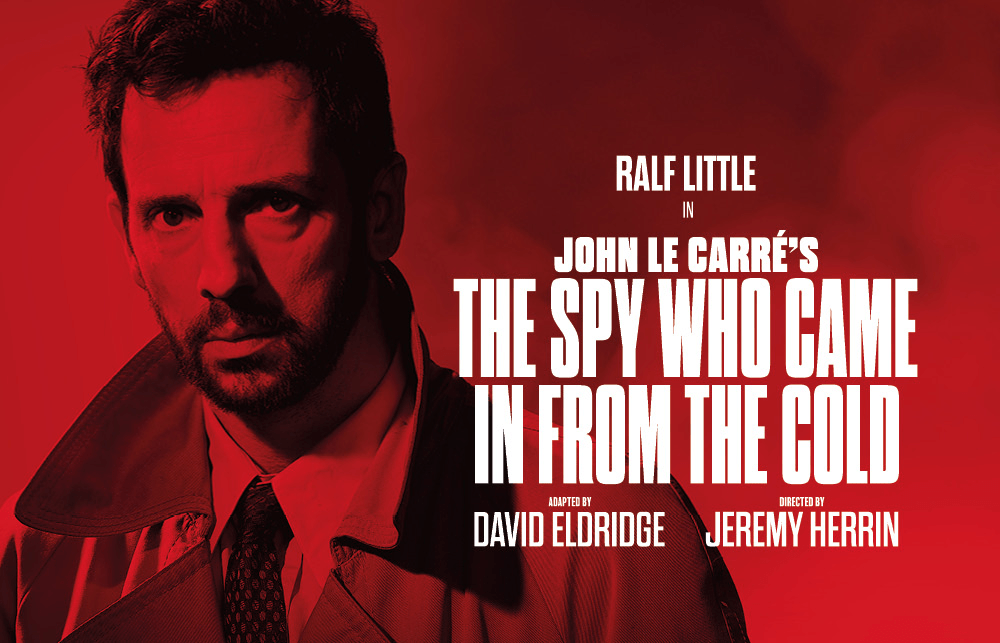
Ralf Little delivers a superb performance as Alec Leamas, shedding any lingering association with his television work almost immediately. His Leamas is tired, hardened and quietly haunted by years spent operating in the shadows. Rather than portraying him as a conventional spy hero, Little presents a man worn down by the personal cost of the job, making his internal conflict both believable and compelling.
The supporting cast matches that quality throughout, with every performance feeling measured and authentic. Relationships develop naturally, and the emotional moments land because the characters are allowed room to breathe amongst the intrigue. Even those with limited stage time leave a lasting impression.
Jeremy Herrin’s direction understands that espionage is built on tension rather than spectacle. There are no dramatic chase scenes or cinematic action sequences here; instead, the suspense comes from conversations, interrogations and moments of silence where the audience is left questioning every motive. The pacing remains assured throughout, gradually tightening its grip as the story heads towards its devastating conclusion.
The production design perfectly complements the material. Clean, understated sets transform seamlessly between offices, safe houses, interrogation rooms and border crossings, while clever lighting creates an atmosphere of constant unease. Nothing feels overdesigned or distracting. Every visual choice serves the story, reinforcing the bleakness of a divided Europe and the emotional isolation of those caught within it.
Despite being set at the height of the Cold War, the themes feel remarkably current. Questions surrounding political manipulation, misinformation, loyalty and the human cost of intelligence work resonate just as strongly today. That timeless quality gives the production an added layer of relevance without ever feeling forced.
This is a play that asks its audience to pay attention. The plot is intricate, and those expecting a straightforward spy thriller may need to concentrate as allegiances shift and hidden motives emerge. However, that complexity is exactly what makes the experience so rewarding. The audience is treated with intelligence, never having every twist spelled out for them.
The Spy Who Came in from the Cold is a thoughtful, absorbing and exceptionally well-crafted production. Strong performances, assured direction and a genuine respect for le Carré’s writing combine to create an evening that lingers long after the curtain falls. As the audience stepped back into Nottingham’s stifling summer evening, the contrast was striking. Outside, the heat remained relentless; inside, for one memorable evening, the Cold War had never felt so chilling.